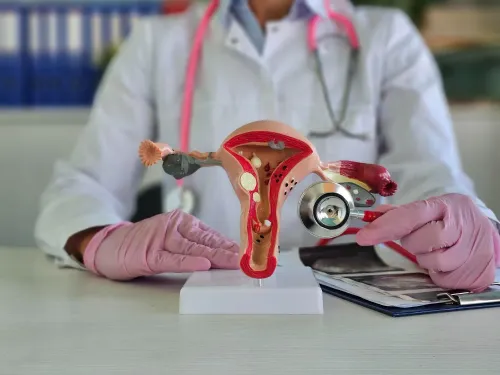
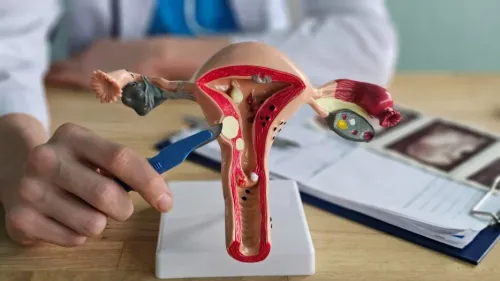
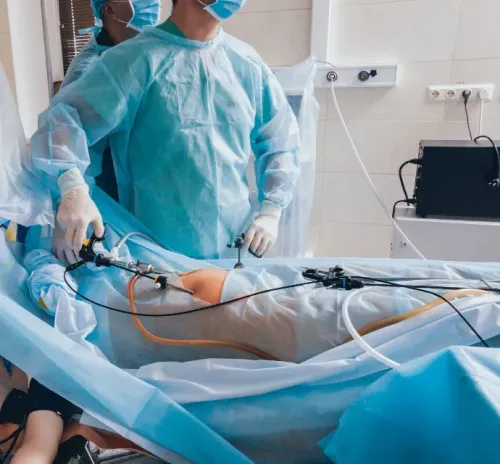
When medicines or conservative treatment do not adequately manage certain gynaecological conditions, a doctor may recommend Laparoscopic Gynaecology Surgery. This minimally invasive surgical approach allows many procedures to be performed through small incisions using specialised instruments plus a camera, reducing the need for large surgical openings.
Not every condition requires laparoscopic surgery, making an individual medical evaluation essential before deciding on treatment. Understanding when this approach may be suitable helps women make informed healthcare decisions.
Conditions Commonly Managed
Laparoscopic procedures are performed for several gynaecological conditions depending on clinical findings.
These may include:
- Ovarian cysts
- Endometriosis
- Uterine fibroids
- Ectopic pregnancy
- Pelvic adhesions
- Certain infertility-related conditions
- Selected hysterectomy procedures
The recommended procedure depends on symptoms, examination findings, imaging studies, plus the patient's overall health.
Benefits of a Minimally Invasive Approach
Compared with traditional open surgery, laparoscopic procedures may offer several advantages for suitable patients.
Potential benefits include:
- Smaller surgical incisions
- Reduced postoperative discomfort
- Less blood loss in many cases
- Shorter hospital stay
- Faster return to routine activities
- Smaller scars
These advantages vary according to the type of surgery performed plus individual recovery.
Preparing Before Surgery
A detailed assessment helps determine whether laparoscopic surgery is appropriate.
Preparation may involve:
- Physical examination
- Blood investigations
- Ultrasound evaluation
- Additional imaging when required
- Medication review
- Anaesthesia assessment
Patients should also discuss previous surgeries, allergies, plus existing medical conditions during the consultation.
Recovery Expectations
Recovery differs for every individual.
Most women receive instructions regarding:
- Walking after surgery
- Wound care
- Pain management
- Diet progression
- Activity restrictions
- Follow-up appointments
Following postoperative advice carefully supports a smoother recovery process.
Questions Worth Discussing
Before surgery, many women find it helpful to ask:
- Why is laparoscopic surgery recommended?
- Are non-surgical treatments still available?
- How long will the operation take?
- What are the possible risks?
- When can normal activities resume?
- Will future fertility be affected?
These discussions encourage shared decision-making between the patient plus surgeon.
Selecting the Right Hospital
Choosing a hospital with experienced laparoscopic surgeons, modern operation theatres, diagnostic support, plus structured postoperative care contributes to safe surgical management.
Patients should also consider whether comprehensive women's healthcare services are available if additional treatment becomes necessary.
Making an Informed Surgical Decision
Every surgery should follow a clear diagnosis plus careful discussion of available treatment options.
Jijai Womens Hospital Thane provides advanced women's healthcare for patients in Thane, including personalised evaluation for Laparoscopic Gynaecology Surgery when clinically appropriate. Individual assessment allows every treatment recommendation to focus on safety, medical necessity, plus long-term reproductive health.
Keywords