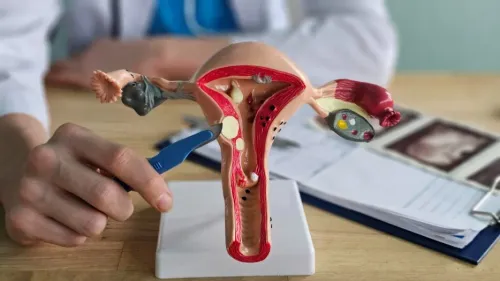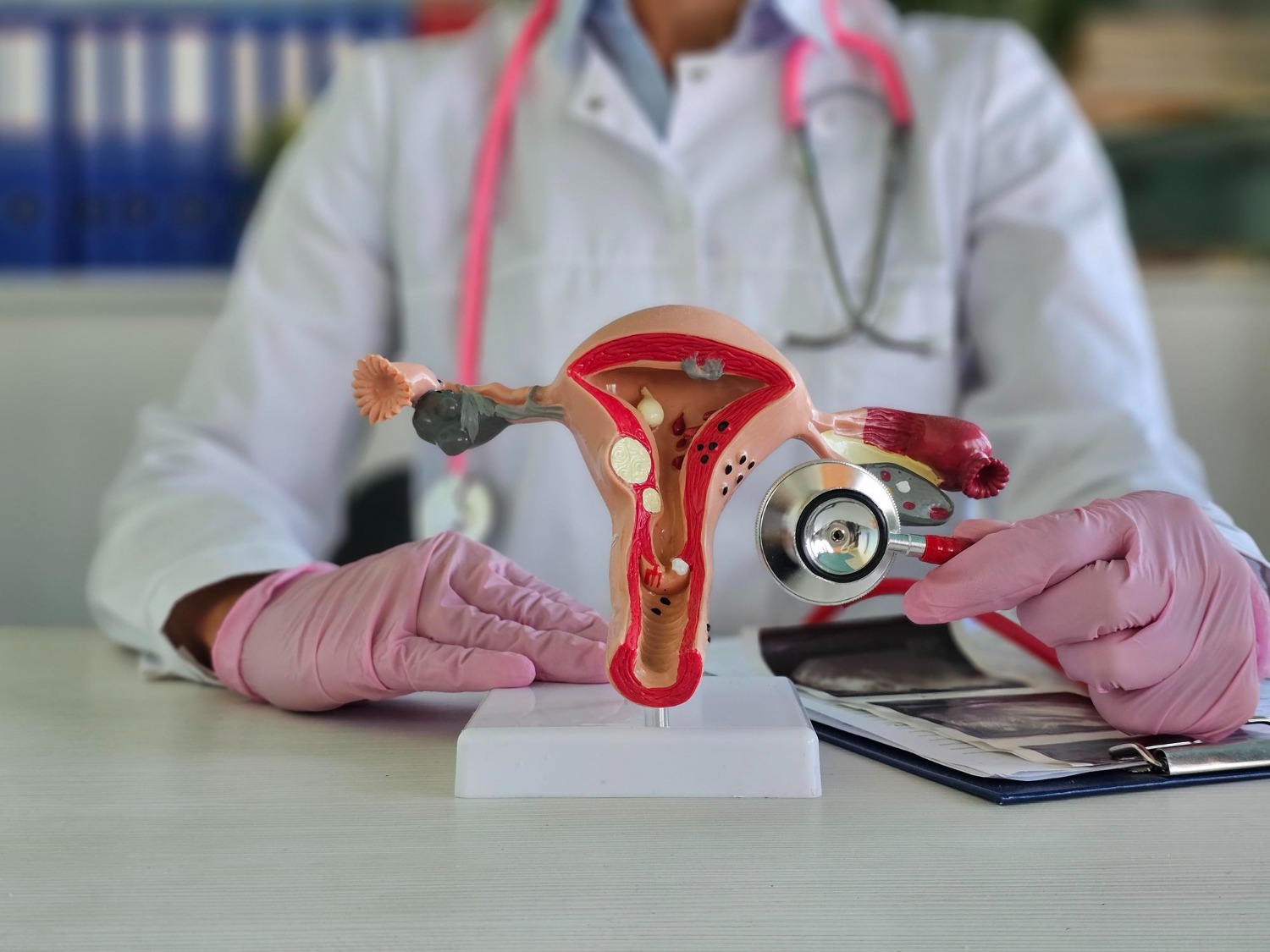
Heavy periods, bleeding between cycles, difficulty conceiving, or suspicious ultrasound findings can sometimes require a closer look inside the uterine cavity. Hysteroscopy provides direct visualization using a thin instrument passed through the cervix.
Patients researching Office Hysteroscopy Doctors often want to know whether the procedure requires hospitalization, anesthesia, plus how it differs from an ultrasound.
What Office Hysteroscopy Shows
Ultrasound provides valuable imaging of the uterus, but hysteroscopy allows the clinician to directly inspect the uterine cavity.
Depending on the clinical situation, it may help assess:
- Endometrial polyps
- Selected submucosal fibroids
- Abnormal uterine bleeding
- Certain uterine cavity abnormalities
- Selected fertility concerns
- Possible intrauterine adhesions
It may also help clarify findings identified during previous imaging.
Diagnostic Procedures Can Be Different
Not every hysteroscopy has the same purpose.
A diagnostic hysteroscopy primarily examines the uterine cavity. In selected settings, small abnormalities may also be treated during a hysteroscopic procedure, depending on their nature, available equipment, plus the planned approach.
Larger lesions or more complex treatment may require a separate operative procedure.
Patients should therefore ask whether the planned appointment is diagnostic, therapeutic, or potentially both.
What About Discomfort?
Experience varies between patients.
Factors such as cervical sensitivity, procedure duration, instruments used, anxiety level, previous childbirth, plus the type of intervention can influence discomfort.
Before the procedure, patients should ask what pain-management approach is typically used plus whether they need medication beforehand.
They should also clarify whether they can eat normally, drive afterward, or return to routine activity the same day.
Know When Further Investigation Matters
Abnormal bleeding has many potential causes.
Hormonal changes, fibroids, polyps, pregnancy-related conditions, medication, endometrial changes, plus other gynecological problems can produce different bleeding patterns.
Hysteroscopy is therefore a diagnostic tool rather than a universal test for every menstrual concern.
A gynecologist determines whether it is appropriate based on symptoms, age, examination findings, ultrasound results, plus medical history.
Preparing For Assessment
Women seeking hysteroscopy services in Thane, Maharashtra, should bring previous ultrasound reports, medication details, menstrual history, pregnancy information where relevant, plus records of previous gynecological procedures.
Jijai Womens Hospital Thane can assess whether office hysteroscopy has a role in investigating a particular uterine concern.
Direct visualization can provide useful information in appropriately selected cases, but the procedure should be chosen for a clear clinical reason. Understanding why hysteroscopy is being recommended, what doctors expect to learn, plus what happens after the examination can make the process much easier to approach.
Keywords