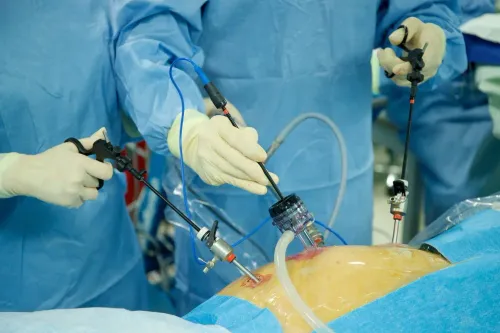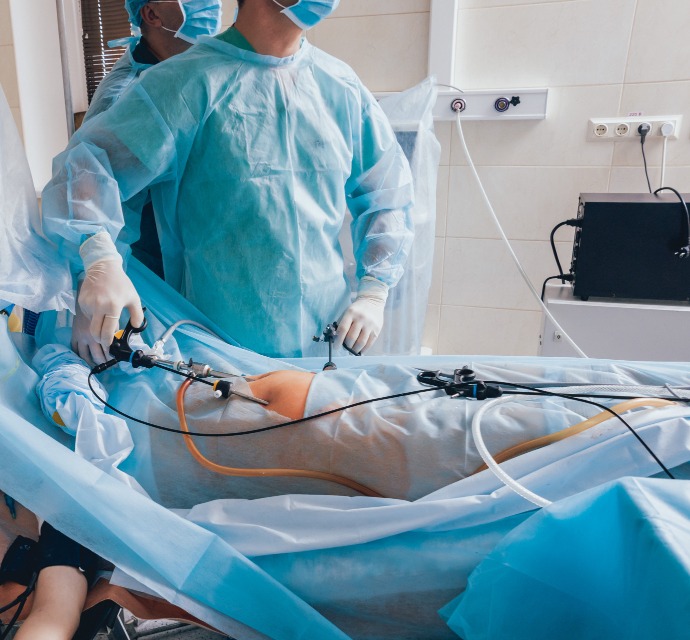
The term minimally invasive surgery is frequently used in women’s healthcare, but patients may not always know what it actually means. In gynecology, laparoscopy allows selected operations to be performed through small abdominal incisions using a camera plus specialized surgical instruments.
Women searching for Laparoscopic Surgeons often want to understand which conditions can be treated this way, what benefits may be possible, plus when conventional surgery could still be required.
How Laparoscopic Surgery Works
During laparoscopy, a small camera called a laparoscope allows the surgeon to view structures inside the abdomen or pelvis on a monitor.
Additional small openings may be used for surgical instruments.
Depending on the diagnosis, laparoscopy may be considered for selected cases involving:
- Uterine fibroids
- Ovarian cysts
- Endometriosis
- Ectopic pregnancy
- Certain fertility-related conditions
- Selected hysterectomy cases
- Pelvic adhesions
The suitability of laparoscopy depends on much more than the name of the condition.
Why Preoperative Assessment Matters
A surgeon needs to understand exactly what is being treated before deciding whether a minimally invasive technique is appropriate.
Assessment may include a clinical examination, ultrasound, blood investigations, previous medical records, plus additional imaging where necessary.
Previous abdominal surgery can also be relevant because internal scar tissue may affect surgical planning.
For some patients, medical conditions affecting anesthesia or recovery need evaluation before surgery is scheduled.
Potential Benefits
Compared with traditional open surgery, appropriately selected laparoscopic procedures may offer smaller incisions plus a different postoperative recovery experience.
Potential advantages can include:
- Smaller surgical wounds
- Reduced visible scarring
- Shorter hospital stay in selected cases
- Earlier return to routine activity in many patients
- Reduced postoperative discomfort in some procedures
These are potential benefits rather than guarantees. Complexity varies significantly between patients.
Experience Should Match the Procedure
“Laparoscopic surgeon” is a broad description.
A straightforward diagnostic laparoscopy is different from complex fibroid removal, extensive endometriosis surgery, or difficult hysterectomy. Patients should therefore ask about experience relevant to their specific procedure.
Useful questions include the expected surgical approach, possible alternatives, anticipated recovery, major risks, possibility of conversion to open surgery, plus postoperative follow-up.
Minimally Invasive Does Not Mean Minor
Small external incisions can sometimes make laparoscopic surgery appear less significant than it really is.
Internally, the operation may still involve important organs, blood vessels, suturing, tissue removal, plus anesthesia. Patients should follow preoperative instructions carefully rather than treating the procedure as a minor intervention.
Women seeking gynecological laparoscopic care in Thane, Maharashtra, can discuss their diagnosis with Jijai Womens Hospital Thane to understand whether minimally invasive surgery is clinically appropriate.
The best surgical approach is the one suited to the diagnosis, anatomy, medical history, reproductive plans, plus safety considerations—not simply the approach with the smallest incision.
Keywords