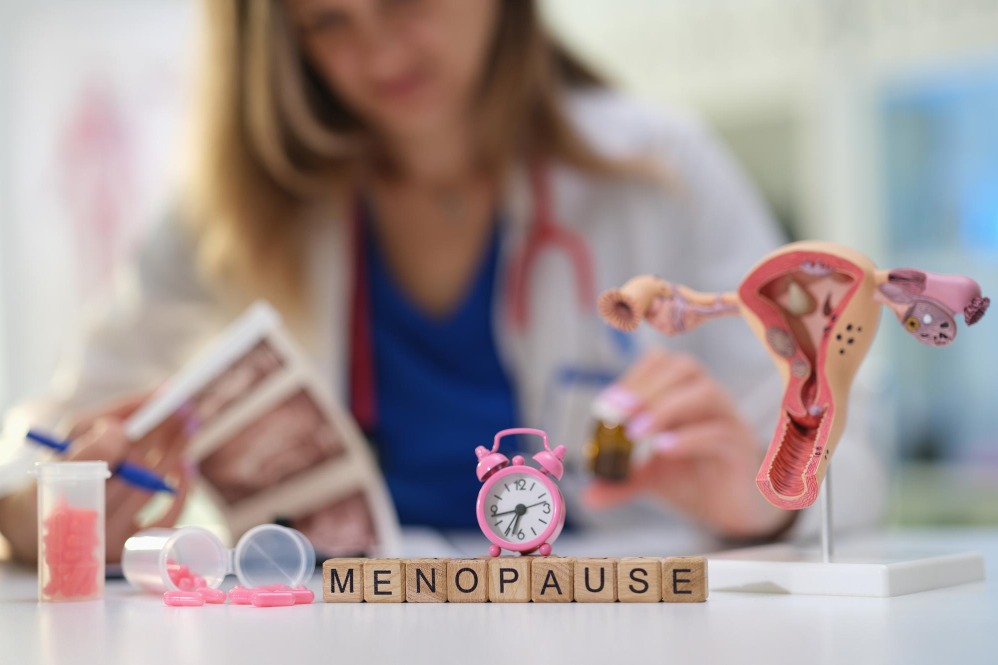
Menopause is a natural biological transition, but the experience differs considerably between women. Some notice relatively mild changes, while others experience symptoms that affect sleep, work, relationships, sexual comfort, mood, or everyday wellbeing.
Consulting Menopause Doctors can be useful when symptoms become disruptive, unusual, or difficult to interpret.
What Menopause Means
Menopause is reached when a woman has gone 12 consecutive months without a menstrual period due to the natural decline in ovarian function, assuming another cause is not responsible.
The years leading up to menopause are commonly called perimenopause.
During this phase, periods may become less predictable. Hormonal fluctuations can also contribute to symptoms such as:
- Hot flushes
- Night sweats
- Sleep disturbance
- Vaginal dryness
- Changes in menstrual flow
- Mood changes
- Reduced sexual comfort
- Urinary symptoms
Not every symptom occurring during midlife is automatically caused by menopause.
Irregular Bleeding Needs Context
Changes in menstrual timing are common during perimenopause, but unusual bleeding still deserves appropriate assessment.
Very heavy bleeding, prolonged bleeding, bleeding after intercourse, frequent unexpected bleeding, or bleeding after menopause may require investigation.
A doctor may consider age, medication, examination findings, ultrasound results, plus other risk factors when deciding whether further tests are necessary.
Bone Health Becomes Relevant
Estrogen decline after menopause can contribute to bone loss.
This makes long-term bone health an important part of midlife care. Depending on individual risk, discussions may cover calcium intake, vitamin D, weight-bearing exercise, smoking, alcohol use, fall prevention, plus bone density testing.
Cardiovascular risk factors such as blood pressure, diabetes, cholesterol, weight, plus physical activity also deserve attention as women age.
Treatment Is Individual
Menopause care is not based on one universal treatment.
Some women primarily need lifestyle guidance. Others may benefit from treatment targeted toward specific symptoms.
Hormone therapy can be appropriate for certain women, but suitability depends on age, timing, symptoms, personal history, medication, plus individual risk factors. Non-hormonal options may also be considered.
Vaginal symptoms may require a different approach from hot flushes or sleep disturbance.
Preparing For a Consultation
Women can make appointments more productive by noting their menstrual pattern, symptom frequency, current medication, previous surgery, family history, plus major health conditions.
Women seeking menopause care in Thane, Maharashtra, can discuss these concerns with a gynecological provider such as Jijai Womens Hospital Thane.
Menopause itself is not a disease. However, troublesome symptoms, unexpected bleeding, sexual discomfort, urinary changes, plus long-term health considerations deserve individualized attention rather than being dismissed simply as part of getting older.
Keywords