Choosing a hysteroscopy surgeon requires more than finding a clinic that lists the procedure. You need to know whether you require diagnosis or treatment, whether an office setting is suitable, how complications are handled, and what will happen to any tissue removed.
Key takeaways
- Confirm whether hysteroscopy is diagnostic, operative, or both.
- Ask whether office hysteroscopy or hospital-based treatment suits your case.
- Check operative experience, anaesthesia support, emergency protocols, and follow-up access.
- Request an itemised estimate covering consultation, tests, procedure, medicines, and review visits.
Know What the Hysteroscopy Is Meant to Find or Treat
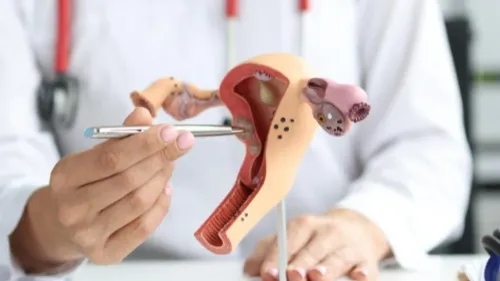
Hysteroscopy examines the inside of the uterus by passing a slender telescope through the vagina and cervix into the uterine cavity, without an abdominal incision. It gives the surgeon a direct view of the cavity rather than an image from outside it.
1. Diagnostic hysteroscopy inspects the cavity to identify a polyp, submucosal fibroid, scar tissue, retained pregnancy tissue, uterine septum, or an area requiring biopsy. Ask a hysteroscopy doctor in Thane whether the planned examination is purely diagnostic or includes directed tissue sampling.
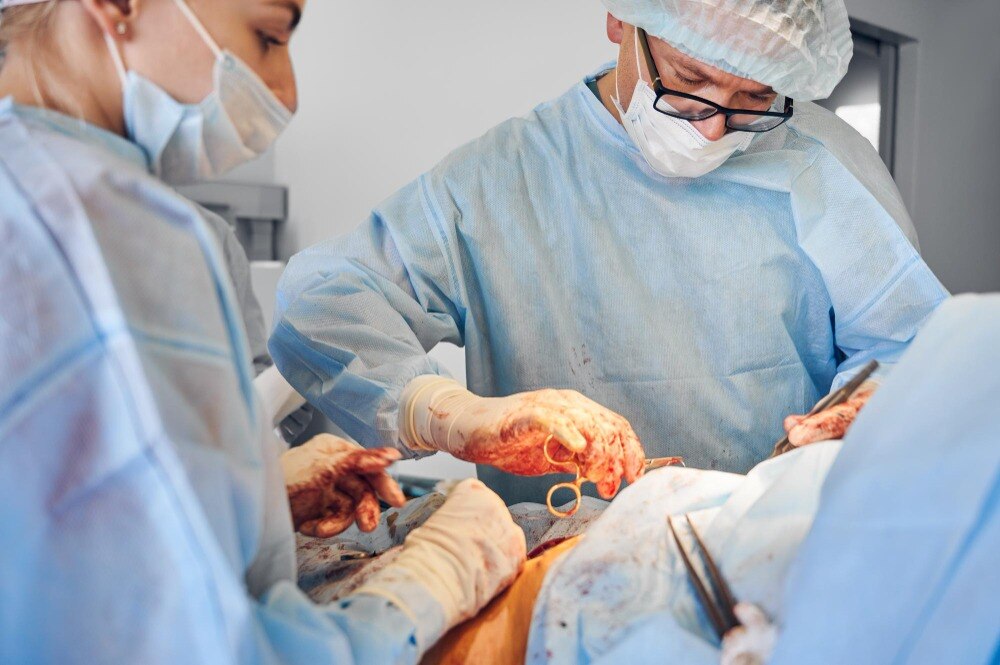
2. Operative hysteroscopy treats a finding during the same procedure when its size, position, and the available equipment make that appropriate. The surgeon may remove a polyp, small submucosal fibroid, adhesions, retained tissue, or part of a septum.
Combining diagnosis and treatment can prevent a second procedure, but a larger or difficult lesion may require another plan.
3. Hysteroscopy has a defined boundary: it does not assess the ovaries, fallopian tubes, or the outside of the uterus. Ultrasound, laparoscopy, saline sonography, or other tests may still be needed to answer those questions.
A visual impression is not always a final diagnosis. If tissue is removed, histopathological examination may be needed to identify its nature. Ask when the pathology report will be ready, who will explain it, and what happens if the result changes the treatment plan.
Decide Between Office and Hospital-Based Hysteroscopy
For many patients, office hysteroscopy in Thane is sensible for abnormal uterine bleeding, an ultrasound finding needing direct assessment, a suspected cavity abnormality affecting infertility, or recurrent pregnancy loss when clinical assessment supports hysteroscopy. It is often diagnostic, but same-session biopsy or removal of a small lesion may be possible.
| Option | What it involves | When it fits |
|---|---|---|
| Office procedure room | Small-diameter scope, vaginoscopic insertion when suitable, and usually no general anaesthesia | Direct inspection or limited treatment when you can tolerate the procedure |
| Hospital operating theatre | Deeper sedation or anaesthesia, with equipment for more extensive treatment | Large lesions, adhesions, difficult access, or planned tissue removal |
Ask how much cramping to expect, whether local pain relief is available, how long recovery takes, and whether you need an escort home. Confirm whether the surgeon will take a directed biopsy or remove a polyp, small submucosal fibroid, scar tissue, or septum during the same visit.
Hospital-based care can be the safer choice if you have severe pain or anxiety, cervical narrowing, a large lesion, extensive adhesions, or a need for more than limited treatment. It also suits an incomplete first attempt.
Before consenting, ask for the exact contingency plan: will the surgeon stop, reschedule, or convert to hospital treatment if cervical passage is difficult or pain becomes excessive? A procedure described as “office” should never leave that decision unclear.
Check the Surgeon’s Operative Experience and Safety Systems
A “minimally invasive” label does not prove safe care. Compare hysteroscopy surgeons in Thane by asking who will perform your procedure, not only which hospital you are visiting.
1. Ask for the surgeon’s formal hysteroscopy training, current procedure volume, and recent experience with operative hysteroscopy. A doctor who mainly performs diagnostic examinations may not regularly remove polyps, resect submucosal fibroids, divide adhesions, or take directed biopsies.
2. Confirm whether the procedure is diagnostic or operative, and whether the same surgeon will perform any planned treatment. Ask what happens if cervical passage is difficult, pain becomes excessive, or the lesion is larger than expected.
3. Ask who provides anaesthesia when sedation or general anaesthesia is required. Confirm that trained support staff, airway equipment, resuscitation equipment, and a blood-loss response plan are available.
4. Ask how the team manages cervical injury, uterine perforation, haemorrhage, fluid overload, and urgent transfer to a higher-level facility. A safe plan names the equipment, monitoring, responsible team, and escalation route.
5. For operative hysteroscopy, ask which distension fluid will be used, how fluid input and output are measured, and what deficit limit stops the procedure. Common maximums for healthy patients are 1,000 mL for hypotonic fluid and 2,500 mL for isotonic fluid; cardiovascular or renal disease requires lower limits.
6. Confirm access to pathology and ask when the histopathology result will reach you. A visually suspected polyp or fibroid is not a confirmed diagnosis until removed tissue is examined.
Finally, ask what happens after an incomplete procedure: rescheduling, repeat treatment, or hospital-based surgery. Safe systems matter more than reassuring wording.
Use the Consultation to Set the Diagnosis, Cost, and Follow-Up Plan
Take a written question list to your hysteroscopy consultation in thane. Do not book until the proposed diagnosis, treatment setting, total cost, and follow-up route are clear.
1. Ask, “What diagnosis is suspected, and why is hysteroscopy preferable to observation, ultrasound, saline sonography, or another test?” Confirm whether the procedure is diagnostic or operative.
2. Ask what will happen if the surgeon finds a polyp, submucosal fibroid, adhesions, retained tissue, a septum, or another abnormality. Can a directed biopsy or removal happen in the same sitting, or will you need a second procedure?
3. Request an itemised estimate covering the surgeon, facility, anaesthesia, pathology, medicines, and follow-up visits. Ask when and how histopathology results will be communicated, because a visual impression is not a confirmed diagnosis.
4. Before scheduling, disclose possible pregnancy, abnormal discharge, fever, active pelvic infection, anticoagulants, allergies, prior cervical procedures, and illnesses affecting anaesthesia or fluid management. These details can change the date, setting, or preparation.
5. Ask what consent will cover: infection, heavy bleeding, vasovagal symptoms, cervical injury, uterine perforation, fluid overload, incomplete examination, and repeat treatment. Ask who to contact after discharge and when review is planned.
6. If considering Jijai Womens Hospital Thane, use these questions to clarify whether the proposed office or hospital-based plan includes same-session treatment, pathology tracking, and a defined follow-up schedule rather than booking an undefined procedure.
Compare Hysteroscopy With the Tests That May Come Before or After It
Each test answers a different question, so the choice depends on the suspected problem and whether you need treatment as well as diagnosis.
| Option | What it can show | What it cannot do |
|---|---|---|
| Transvaginal ultrasound | Gives an initial view of the uterus, endometrium, ovaries, and other pelvic structures | May not directly confirm a small lesion inside the uterine cavity |
| Saline infusion sonography | Sterile fluid outlines the cavity and can improve the view of a polyp or submucosal fibroid | Does not remove the finding |
| Endometrial biopsy | Samples lining tissue when endometrial disease is suspected | A blind sample can miss a focal polyp or fibroid and does not inspect the cavity directly |
| Dilation and curettage | Removes or samples tissue | Is less targeted and does not replace visual assessment of a focal lesion |
| Hysteroscopy | Directly inspects the cavity and can allow directed biopsy or removal of selected abnormalities | Does not assess the ovaries, fallopian tubes, or outside of the uterus |
For infertility, hysteroscopy is not a routine first test for everyone. It fits when symptoms or another assessment suggests a cavity abnormality, and the decision should also reflect your fertility plans, bleeding pattern, and need for treatment.
After the procedure, seek prompt medical contact for:
- Severe or worsening abdominal pain
- Heavy bleeding
- Fever or foul-smelling discharge
- Fainting
- Chest pain or breathlessness
Frequently asked questions
What does hysteroscopy find or treat?
It directly examines the uterine cavity and can investigate or treat findings such as polyps, fibroids projecting into the cavity, adhesions, retained tissue, or an abnormal uterine lining.
How do office and hospital-based hysteroscopy differ?
Office hysteroscopy uses a slender scope in an outpatient setting, often without general anaesthesia. Hospital-based hysteroscopy allows anaesthesia, larger instruments, and more complex operative treatment when required.
What should you ask a hysteroscopy surgeon in Thane?
Ask about diagnostic and operative experience, anaesthesia options, infection prevention, emergency arrangements, pathology handling, expected recovery, and who to contact after the procedure.
What should a hysteroscopy consultation cover?
The consultation should clarify the suspected diagnosis, alternatives, preparation, anaesthesia, procedure plan, itemised cost, recovery restrictions, pathology results, and follow-up schedule.
Which tests may come before or after hysteroscopy?
Your doctor may review pelvic ultrasound, saline infusion sonography, MRI, pregnancy testing, blood tests, or endometrial biopsy. Tissue removed during hysteroscopy can be sent for laboratory examination.
Keywords