Laparoscopy can reveal pelvic problems that ultrasound, blood tests, semen analysis, and tubal imaging do not show, but it is still surgery and is not a routine first fertility test for every couple. You will be able to judge when it adds useful information, what to ask laparoscopic surgeons in Thane, and how findings could change treatment.
Key takeaways
- Complete semen analysis, ovulation assessment, and tubal testing first when appropriate.
- Laparoscopy can identify endometriosis, adhesions, blocked tubes, and pelvic abnormalities.
- Ask whether findings would change treatment before scheduling diagnostic surgery.
- Seek urgent care for fever, worsening pain, heavy bleeding, or breathing difficulty after surgery.
When fertility laparoscopy adds value to the initial work-up
Complete less-invasive fertility tests before proceeding directly to laparoscopy unless symptoms or prior findings create a specific reason to inspect the pelvis.
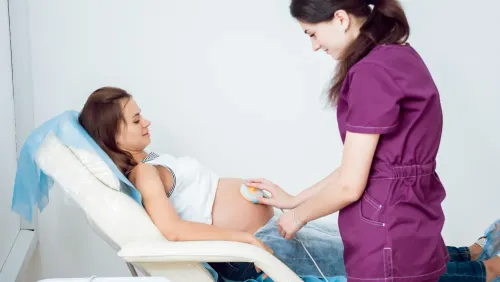
The initial assessment normally includes both partners: semen analysis for the male partner; ovulation and ovarian assessment for the female partner when indicated; thyroid-stimulating hormone or prolactin testing when clinically appropriate; and pelvic ultrasound. HSG or contrast sonography can assess the uterine cavity and whether contrast passes through the fallopian tubes.
Diagnostic laparoscopy adds value when the clinical question concerns pelvic disease that these tests cannot fully show. Consider it when you have:
- Chronic pelvic pain or suspected endometriosis
- Previous pelvic infection or ectopic pregnancy
- Prior abdominal or pelvic surgery
- An abnormal ultrasound or HSG
- Suspected adhesions
- Unsuccessful previous fertility treatment
- A fertility plan that makes direct pelvic assessment useful
A normal HSG does not rule out external tubal adhesions or superficial endometriosis because it mainly shows the cavity and whether contrast passes through the tubes. Surgery can add little when the likelihood of pelvic disease is low, and it cannot measure sperm quality, egg quality, ovulation, or ovarian reserve.
Age, ovarian reserve, and the duration of trying to conceive should shape timing. If IVF is likely to be more effective, surgical delay matters. The decision should answer a defined clinical question, not follow a search for laparoscopic surgeons in Thane for fertility assessment.
What the operation can find that other fertility tests cannot
Laparoscopy for infertility in Thane can show what remains hidden on scans: the outer surface of the uterus, ovaries, fallopian tubes, and pelvic peritoneum. Direct inspection can identify endometriosis, adhesions, distorted anatomy, damaged tubes, ovarian cysts, and uterine abnormalities.
| Test | What it shows | Key limitation |
|---|---|---|
| Laparoscopy with chromopertubation | Direct pelvic inspection; dye passing through each tube from the cervix tests tubal patency | Requires surgery and general anaesthesia |
| Hysterosalpingography (HSG) | Uterine cavity and passage of contrast through the tubes on X-ray | Does not reliably show external adhesions or superficial endometriosis |
| Saline sonography | Ultrasound view of the uterine cavity after fluid enters it | Does not directly inspect the outer uterus, tubes, ovaries, or peritoneum |
A normal HSG does not exclude external tubal adhesions or superficial endometriosis. During chromopertubation, the surgeon watches whether dye exits each tube, while also seeing whether adhesions tether an ovary or distort the pelvis.
A blocked tube is not one diagnosis. Proximal blockage can result from tubal spasm or technical factors, so repeat testing may be appropriate. Distal disease, hydrosalpinx, and dense adhesions can point toward tubal surgery, IVF, or reproductive-medicine referral.
Laparoscopy cannot measure sperm quality, egg quality, ovarian reserve, ovulation, or embryo implantation; those questions require separate fertility tests.
What happens before and during a fertility laparoscopy
Your treating team will give you a fasting deadline and instructions about regular medicines. Tell them about anticoagulants, diabetes, allergies, previous anaesthesia problems, and every prescription, over-the-counter medicine, vitamin, and supplement you take. A pregnancy test is commonly checked before surgery.
- Arrange an adult escort and a safe journey home. Do not plan to drive yourself, travel alone, or make important decisions immediately after anaesthesia.
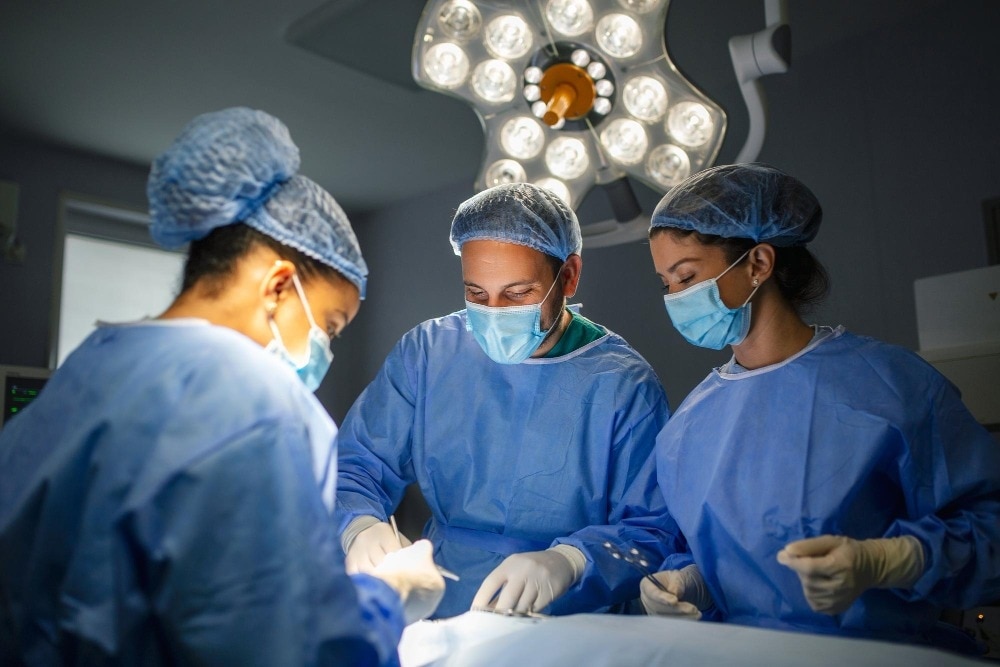
- After you receive general anaesthesia, the surgeon usually makes a small camera-port incision near the umbilicus and additional small abdominal incisions.
- Carbon dioxide is introduced to create working space. The camera then examines the outer uterus, ovaries, fallopian tubes, and pelvic peritoneum for endometriosis, adhesions, damaged tubes, or other abnormalities.
- If chromopertubation is planned, dye passes through the cervix while the surgeon watches whether it travels through each fallopian tube.
- If your consent, the findings, and safety conditions allow, the surgeon may release adhesions, treat selected endometriosis, collect tissue for laboratory examination, or address another finding during the same operation.
Ask fertility laparoscopy doctors in Thane whether the operation is diagnostic only, which treatments are authorised if a problem appears, and whether severe adhesions or another complication could require conversion to a larger incision. Confirm what happens if the findings differ from expectations.
How possible findings change fertility treatment choices
A laparoscopic finding should lead to a defined treatment decision, not an automatic operation. Endometriosis, a blocked tube, or an ovarian cyst can represent different risks and routes to pregnancy. Age, ovarian reserve, pain, previous surgery, time spent trying to conceive, and the likely value of IVF all affect the choice.
1. For minimal or mild endometriosis, selected patients may discuss operative treatment to support spontaneous pregnancy. The benefit must be weighed against ovarian damage, reduced ovarian reserve, and the recovery time before trying again.
2. Treat endometrioma surgery with particular caution. Removing an endometrioma can remove healthy ovarian tissue and lower anti-Müllerian hormone (AMH); surgery is not performed solely to improve fertility in every patient. Pain, cyst appearance, access to follicles, and previous surgery matter.
3. A communicating hydrosalpinx can send fluid back into the uterus and reduce IVF success. Salpingectomy or proximal tubal occlusion is commonly discussed before IVF, while accounting for surgical difficulty and possible effects on ovarian blood supply.
4. Adhesions, distal tubal damage, and proximal blockage need separate strategies. Proximal blockage can reflect spasm or a technical factor; options include repeat testing, tubal surgery, IVF, or reproductive-medicine referral.
Ask what each possible result would change, whether treatment could lower ovarian reserve, how long recovery would delay conception, and when assisted reproduction becomes preferable. Laparoscopic infertility evaluation in Thane is most useful when its result will change a defined treatment decision.
Recovery, warning signs, and questions for a Thane surgical team
Abdominal soreness, bloating, light vaginal bleeding, and shoulder-tip pain can follow laparoscopy because of the operation and residual carbon dioxide. Follow your treating team’s instructions for incision care, bathing, lifting, driving, exercise, work, and sexual activity; a generic return-to-work timetable may not fit your procedure.
Seek urgent medical advice for severe or worsening pain, fever, heavy bleeding, persistent vomiting, shortness of breath, fainting, or redness and discharge from an incision. Confirm when the surgeon will review operative photographs, chromopertubation or dye-test findings, pathology, and the next fertility step.
Compare laparoscopic surgeons in Thane for fertility assessment by asking:
- What question is this operation intended to answer?
- Would HSG or contrast ultrasound be suitable before surgery?
- Is chromopertubation planned?
- What treatment would follow each possible finding?
- How could surgery affect ovarian reserve or delay conception?
- How much experience do you have with fertility-preserving surgery, endometriosis, hydrosalpinx, and difficult adhesions?
| Compare | A useful answer | Warning sign |
|---|---|---|
| Experience | Specific fertility-preserving cases and procedures | Only general laparoscopic experience |
| Findings | A plan for adhesions, tubal damage, or endometriosis | No discussion of alternatives |
| Timing | Recovery linked to age, ovarian reserve, and IVF planning | No conception timeline |
A gynecology and reproductive-care consultation at Jijai Womens Hospital Thane can help determine whether laparoscopy for infertility in Thane is justified, which alternatives fit, and how results would change conception planning. The outcome should be a decision, not an automatic operation.
Related services
LAPAROSCOPY LAPAROSCOPY A Laparoscopic procedure is one where your healthcare professional views the inner workings of your stomach by inserting a small camera attached to a... |
GYNAECOLOGIST :WOMEN’S CARE Providing Advanced Laparoscopic Hysterectomy in Thane, we believe that a detailed explanation of the procedures we do is necessacry for every patient... View service → |
Frequently asked questions
When does fertility laparoscopy add value to the initial work-up?
Consider it when symptoms or earlier tests suggest endometriosis, pelvic adhesions, tubal disease, or another condition that less-invasive tests cannot confirm. Complete appropriate initial testing first unless your clinician identifies a specific reason to operate sooner.
What can laparoscopy find that other fertility tests cannot?
It allows the surgeon to directly inspect the uterus, fallopian tubes, ovaries, and pelvic lining. It can reveal and sometimes treat endometriosis, adhesions, scarring, tubal blockage, and other pelvic abnormalities that ultrasound or blood tests may miss.
What happens before and during fertility laparoscopy?
The team reviews your medical history, fertility tests, medicines, allergies, and surgical risks. Under anaesthesia, the surgeon makes small abdominal incisions, uses a camera to inspect the pelvis, and may inject dye through the cervix to assess whether the tubes are open.
How can laparoscopy findings change fertility treatment?
Normal findings can support timed intercourse or assisted reproduction based on the wider fertility assessment. Endometriosis, adhesions, or tubal blockage can lead to treatment, referral, IVF discussion, or a revised plan depending on severity and both partners’ results.
What warning signs require medical advice after fertility laparoscopy?
Contact the surgical team for fever, increasing abdominal pain, persistent vomiting, heavy bleeding, redness or discharge from an incision, painful urination, leg swelling, chest pain, or breathing difficulty. Follow the discharge instructions for the exact threshold and emergency contact.
Related service
INFERTILITY TREATMENT For many couples, the decision to have children is one that requires a lot of planning. View service → |
Keywords