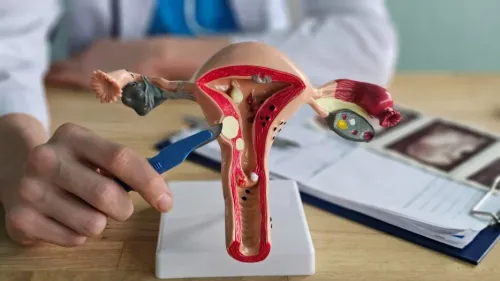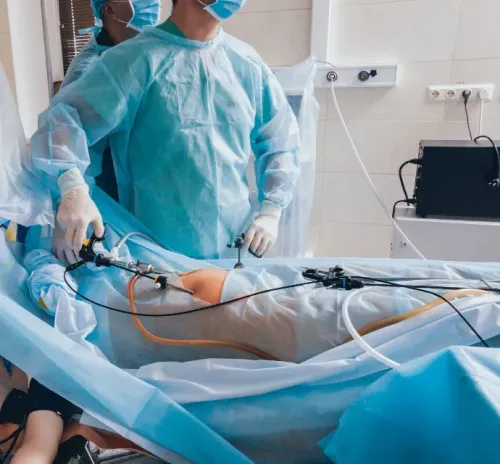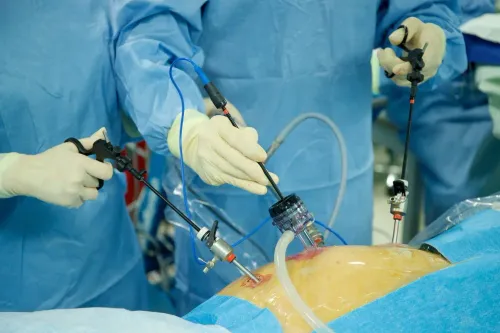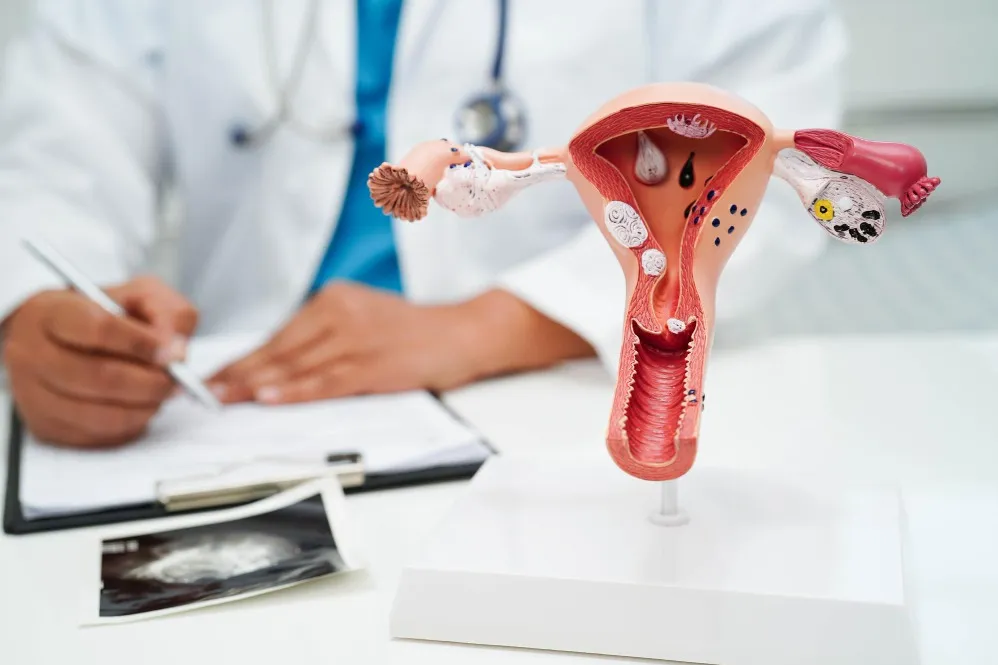
Polycystic Ovary Disease (PCOD) is one of the most commonly diagnosed hormonal conditions affecting women during their reproductive years. While symptoms vary considerably from one person to another, timely PCOD Treatment helps address menstrual irregularities, hormonal imbalance, plus associated health concerns through an individualised approach.
Many women initially ignore symptoms because they believe irregular periods, acne, weight gain, or excessive hair growth are temporary changes. Seeking medical evaluation early helps identify the underlying cause while preventing unnecessary delays in management.
Understanding PCOD
PCOD affects the normal functioning of the ovaries due to hormonal imbalance.
Women may experience different combinations of symptoms, making professional evaluation important instead of relying solely on internet information.
Diagnosis is usually based on clinical history, physical examination, imaging studies, plus laboratory investigations where required.
Common Symptoms
Not every woman experiences the same signs.
Frequently reported symptoms include:
- Irregular menstrual cycles
- Missed periods
- Heavy bleeding
- Acne
- Unwanted facial hair
- Hair thinning
- Weight gain
- Difficulty conceiving
Some women experience only one symptom, while others notice several changes over time.
Why Early Medical Evaluation Matters
Delaying medical advice may allow symptoms to become more difficult to manage.
Early assessment helps doctors:
- Confirm the diagnosis
- Exclude other hormonal disorders
- Identify metabolic concerns
- Discuss fertility planning
- Recommend suitable lifestyle changes
- Develop a personalised treatment strategy
Every treatment plan depends upon the woman's symptoms, age, reproductive goals, plus overall health.
Lifestyle Changes Often Form the Foundation
Healthy daily habits play an important role in long-term management.
Doctors commonly recommend:
- Regular physical activity
- Balanced nutrition
- Weight management where appropriate
- Stress reduction
- Consistent sleep schedule
Lifestyle improvements may positively influence menstrual regularity plus overall hormonal health for many women.
Medical Management Depends Upon Individual Needs
Treatment varies because every patient presents differently.
Depending on clinical findings, management may include:
- Hormonal medications
- Medicines supporting menstrual regulation
- Treatment for acne
- Fertility evaluation where pregnancy is planned
- Blood sugar assessment
- Regular follow-up appointments
Doctors review progress periodically before modifying treatment plans.
Fertility Considerations
Many women with PCOD successfully become pregnant.
However, ovulation may occur less frequently in some individuals, making fertility assessment appropriate when conception does not occur despite regular attempts.
Early consultation allows suitable investigations plus fertility planning without unnecessary delays.
Long-Term Health Awareness
PCOD is not limited to menstrual health alone.
Regular follow-up helps monitor potential long-term concerns including:
- Blood sugar imbalance
- Weight-related complications
- Cholesterol changes
- Blood pressure
- Endometrial health
Ongoing medical care supports better health beyond reproductive years.
Women seeking comprehensive PCOD Treatment in Thane often benefit from personalised care that combines lifestyle guidance, medical evaluation, fertility planning where required, plus regular monitoring. Jijai Womens Hospital Thane provides evidence-based women's healthcare focused on addressing individual concerns while supporting long-term reproductive wellness.
Keywords