For some couples, pregnancy does not happen as expected despite regular attempts. After a detailed fertility evaluation, doctors may recommend IUI Treatment as one of the initial assisted reproductive techniques before considering more advanced procedures. Understanding how the treatment works helps couples approach the process with realistic expectations.
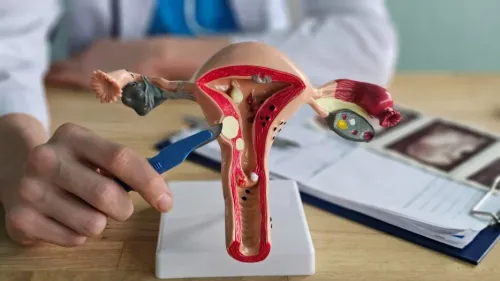
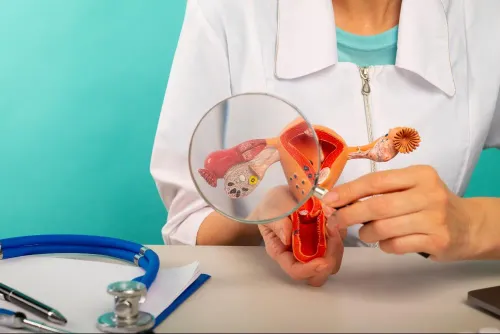
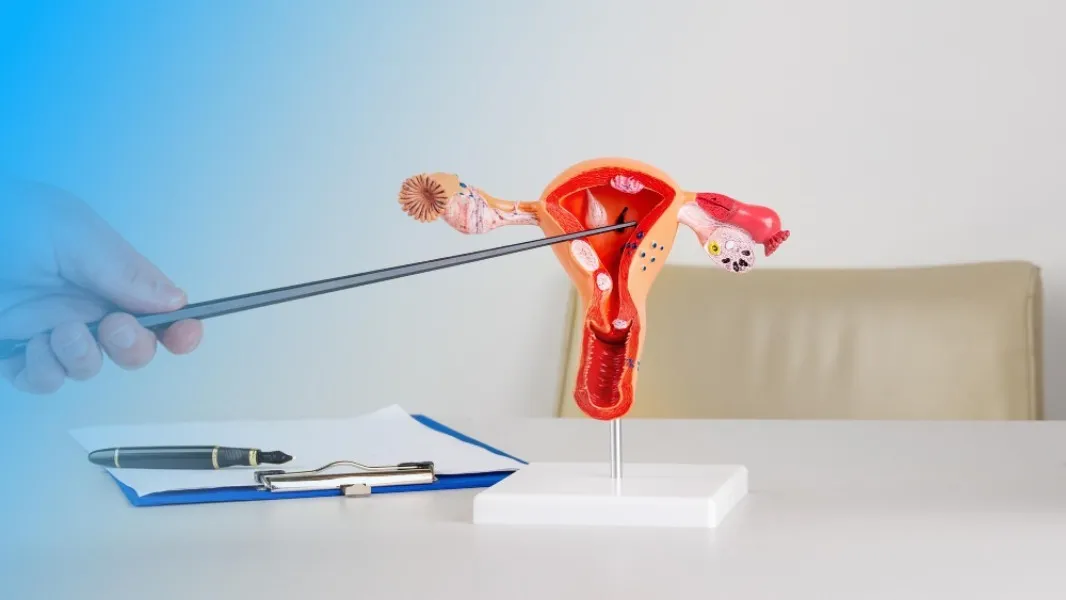
Intrauterine Insemination (IUI) is a fertility procedure that places specially prepared sperm directly inside the uterus during ovulation. The objective is to improve the chances of fertilisation by allowing sperm to reach the egg more efficiently. Whether IUI is appropriate depends entirely on the couple's medical history, investigation results, plus fertility diagnosis.
Situations Where IUI May Be Recommended
Doctors usually recommend IUI after completing fertility investigations for both partners.
It may be considered for:
- Mild male factor infertility
- Ovulation disorders
- Unexplained infertility
- Cervical factor infertility
- Donor sperm treatment in selected situations
The decision is always based on individual medical findings rather than a standard treatment pathway.
Preparing Before the Procedure
Preparation begins with a comprehensive fertility assessment.
Doctors may advise:
- Hormonal evaluation
- Ovulation monitoring
- Ultrasound examination
- Semen analysis
- Blood investigations
Some women may receive medicines that help stimulate ovulation depending on their treatment plan.
Regular monitoring allows doctors to identify the most suitable timing for the procedure.
What Happens During IUI
The procedure itself is relatively simple.
The general process includes:
- Monitoring ovulation.
- Collecting the semen sample.
- Laboratory preparation of healthy sperm.
- Placing the prepared sperm into the uterus using a thin catheter.
- Returning home shortly after the procedure.
Most women resume normal daily activities soon after the treatment unless advised otherwise by their doctor.
Factors That Influence Success
Several factors affect the likelihood of pregnancy following IUI.
These include:
- Female age
- Duration of infertility
- Cause of infertility
- Egg quality
- Sperm quality
- Overall reproductive health
Doctors explain these factors before treatment so couples understand what outcomes may realistically be expected.
Lifestyle Choices Still Matter
Healthy habits remain important throughout fertility treatment.
Couples are generally encouraged to:
- Maintain a healthy weight
- Eat balanced meals
- Exercise moderately
- Avoid smoking
- Limit alcohol
- Manage stress
- Follow medical advice consistently
Although lifestyle improvements cannot solve every fertility concern, they support overall reproductive health.
Questions Worth Discussing
Before beginning treatment, many couples benefit from asking:
- Is IUI appropriate for our diagnosis?
- How many treatment cycles may be recommended?
- What investigations are still required?
- Are additional fertility options available if needed?
- What follow-up schedule should we expect?
Open discussion helps couples participate actively in treatment planning.
Jijai Womens Hospital Thane provides personalised fertility assessment for couples in Thane, recommending IUI Treatment only after a detailed evaluation of both partners. An informed understanding of the procedure allows couples to move forward with confidence while making decisions based on medical guidance rather than assumption
Keywords