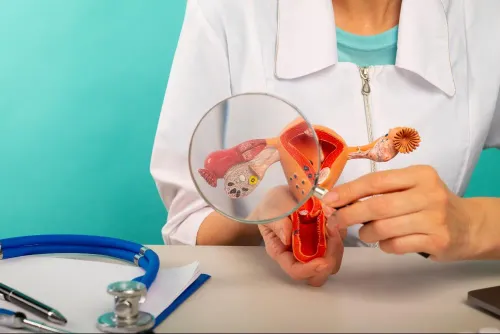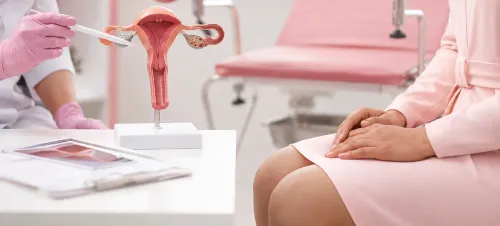
Uterine fibroids are non-cancerous growths that can develop within the muscular wall of the uterus, project into the uterine cavity, or grow toward the outer surface. Many fibroids cause no symptoms, while others may lead to heavy menstrual bleeding, pelvic pressure, painful periods, frequent urination, abdominal fullness, or fertility concerns.
For women exploring Laparoscopic Myomectomy Treatment Doctors, understanding how this procedure works can make discussions with a gynecologist more productive.
What Is Laparoscopic Myomectomy?
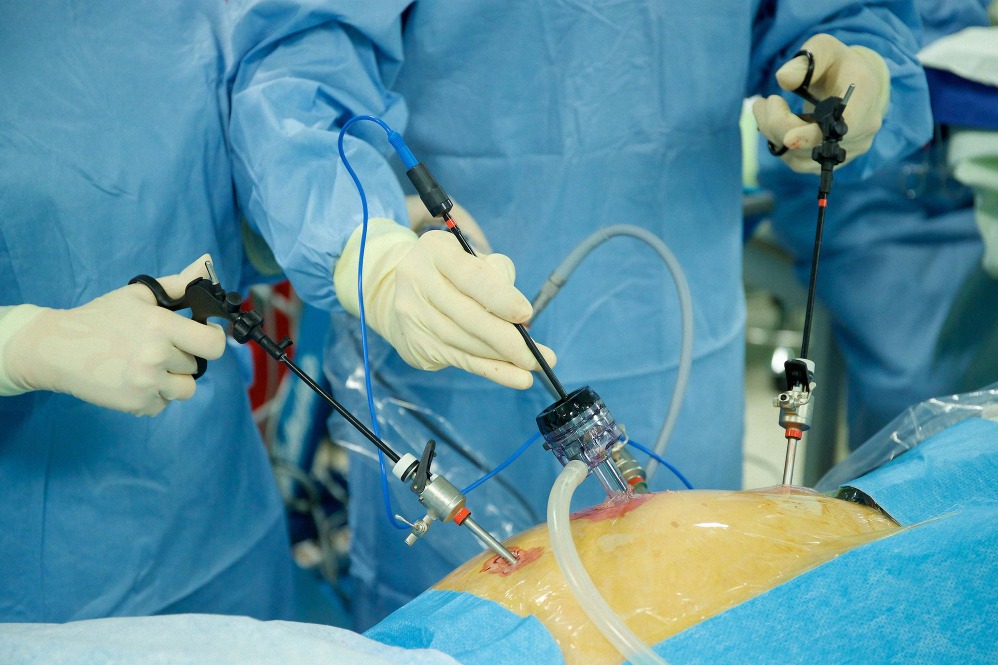
Laparoscopic myomectomy is a minimally invasive surgical procedure used to remove selected uterine fibroids while preserving the uterus.
Instead of making one large abdominal incision, the surgeon generally operates through several small incisions. A camera provides a magnified view of the pelvic structures, while specialized instruments are used to separate fibroids from the uterine muscle.
The uterine wall is then repaired carefully.
This uterus-preserving approach may be relevant to women who wish to retain their uterus, including some patients considering future pregnancy.
Who May Need Evaluation?
Fibroids do not automatically require surgery. Treatment depends on symptoms, fibroid characteristics, reproductive plans, age, medical history, previous treatment, plus the effect of symptoms on everyday life.
Medical assessment becomes particularly useful when a woman experiences:
- Heavy menstrual bleeding
- Persistent pelvic pain
- Pressure symptoms
- Increasing abdominal fullness
- Anemia linked with menstrual blood loss
- Difficulty conceiving
- Recurrent pregnancy concerns where fibroids may be relevant
An ultrasound is commonly used to assess the uterus. MRI may be advised in selected situations when more detailed mapping is needed.
Why Fibroid Location Matters
Two women can have fibroids of similar size yet require very different management.
A fibroid projecting into the uterine cavity may affect bleeding patterns differently from one growing on the outer uterine surface. Similarly, a deeply embedded fibroid can present different surgical considerations.
Doctors therefore assess the number, size, position, depth, symptoms, previous surgery, plus reproductive goals before recommending a treatment plan.
What Happens After Surgery?
Recovery varies according to the complexity of surgery, number of fibroids removed, incision size, individual health, plus the surgeon's postoperative protocol.
Patients usually receive guidance regarding wound care, activity restrictions, medication, diet, follow-up visits, plus warning signs that require medical attention.
Women planning pregnancy should specifically discuss the recommended waiting period after myomectomy. Depending on how deeply the uterine muscle was involved, future delivery planning may also need individual assessment.
Fibroid Care Requires Individual Planning
Women searching for fibroid treatment in Thane, Maharashtra, should avoid assuming that every fibroid requires removal. Observation, medicines, hysteroscopic procedures, laparoscopic surgery, open surgery, plus other approaches may be considered according to the individual case.
At Jijai Womens Hospital Thane, evaluation can include assessment of symptoms, imaging findings, medical history, fertility goals, plus previous treatment before an appropriate management pathway is discussed.
The important first step is not choosing a surgical technique independently. It is establishing whether the fibroid is actually responsible for the symptoms, whether intervention is necessary, plus which approach is medically suitable.
Keywords