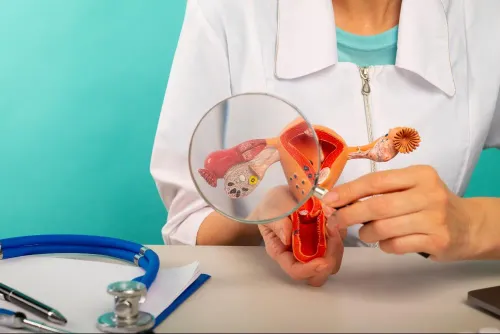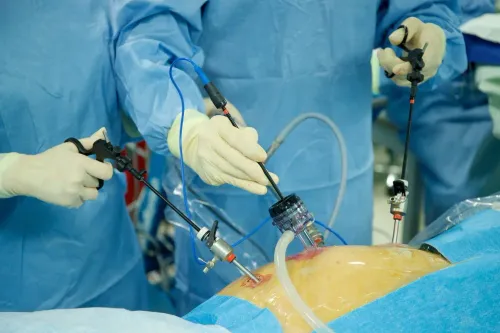
For many couples, pregnancy happens naturally within a reasonable period. For others, conception may take longer despite regular attempts. When this happens, visiting an Infertility Clinic can provide answers through a structured evaluation rather than guesswork. Early assessment often helps identify factors affecting fertility while allowing suitable treatment planning based on individual needs.
Infertility can involve female factors, male factors, or a combination of both. In some situations, no clear cause is identified during the initial assessment. This is why both partners are usually evaluated together to obtain a complete understanding of reproductive health.
Understanding When Evaluation Is Recommended
Medical guidance may be helpful when pregnancy has not occurred after:
- Twelve months of regular unprotected intercourse for women below 35 years
- Six months for women aged 35 years or above
- Earlier when specific reproductive health concerns already exist
Women with irregular menstrual cycles, previous pelvic infections, endometriosis, recurrent pregnancy loss, or known hormonal disorders may also benefit from an earlier consultation.
What Happens During the First Visit
The first appointment usually focuses on gathering detailed medical information rather than immediately beginning treatment.
Doctors commonly discuss:
- Menstrual history
- Previous pregnancies
- Lifestyle habits
- Existing medical conditions
- Previous surgeries
- Family history
- Current medications
Both partners may be advised to undergo appropriate investigations based on their medical background.
Fertility Testing Helps Identify Possible Causes
Every couple requires an individual evaluation.
Investigations may include:
- Ovulation assessment
- Hormonal testing
- Ultrasound examination
- Fallopian tube evaluation
- Semen analysis
- Blood investigations
These tests help doctors understand which factors may be influencing conception before recommending further management.
Lifestyle Can Influence Fertility
Daily habits may affect reproductive health for both partners.
Doctors frequently recommend:
- Maintaining a healthy body weight
- Eating a balanced diet
- Regular physical activity
- Managing stress
- Avoiding tobacco
- Limiting alcohol
- Getting adequate sleep
Although lifestyle improvements cannot resolve every fertility concern, they often support overall reproductive health.
Treatment Plans Differ Between Couples
There is no universal fertility treatment suitable for everyone.
Management depends upon:
- Age
- Test results
- Duration of infertility
- Medical history
- Reproductive goals
Some couples may require only simple medical treatment, while others may benefit from assisted reproductive techniques after a comprehensive evaluation.
Emotional Support Remains Important
Difficulty conceiving can create emotional stress for both partners.
Open communication with healthcare professionals helps couples understand available options, expected timelines, plus realistic expectations throughout treatment.
Support from family members, counselling professionals, or fertility support groups may also help reduce emotional pressure during the journey.
Choosing a Fertility Care Provider
A suitable fertility centre should offer comprehensive assessment, transparent communication, experienced specialists, plus access to appropriate diagnostic services.
Jijai Womens Hospital Thane provides fertility evaluation for couples in Thane through an evidence-based approach that focuses on identifying possible causes before recommending treatment. Visiting an experienced Infertility Clinic allows couples to move forward with greater clarity rather than uncertainty.
Keywords