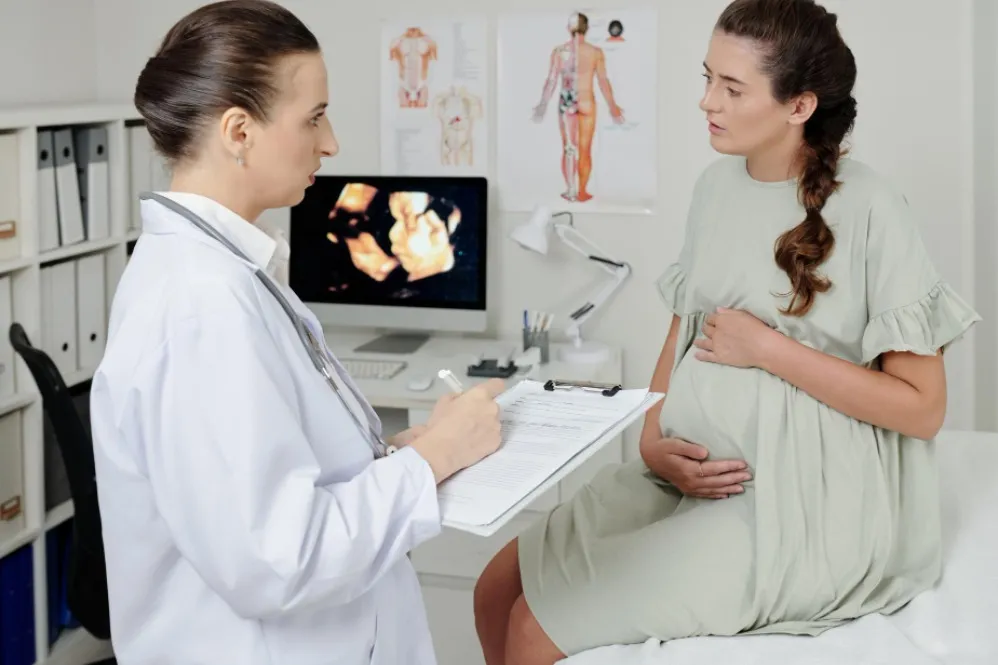
Every pregnancy deserves careful medical attention, but some pregnancies require closer observation because certain health conditions may increase the possibility of complications. A High-Risk Pregnancy Doctor specialises in monitoring pregnancies that need additional evaluation, helping both mother and baby receive appropriate care throughout each stage.
A high-risk pregnancy does not automatically mean that complications will occur. Many women experience healthy pregnancies with regular monitoring, timely investigations, plus personalised medical guidance. Understanding when specialised care may be beneficial helps expectant mothers make informed healthcare decisions.
Understanding High-Risk Pregnancy
A pregnancy may be considered high risk when maternal health, fetal development, previous pregnancy history, or certain medical conditions require additional supervision.
Some women are identified as high risk before pregnancy begins, while others develop conditions after conception. Early recognition allows doctors to create an individual care plan based on clinical findings.
Medical Conditions That Increase Risk
Several existing health conditions may require more frequent antenatal visits.
These include:
- High blood pressure
- Diabetes
- Thyroid disorders
- Kidney disease
- Autoimmune conditions
- Heart disease
- Obesity
Women with these conditions often benefit from coordinated care involving obstetric specialists plus other healthcare professionals where necessary.
Pregnancy-Related Concerns Requiring Close Observation
Certain pregnancy-related developments may also require specialist evaluation.
Examples include:
- High blood pressure during pregnancy
- Gestational diabetes
- Placenta-related concerns
- Reduced fetal growth
- Multiple pregnancy
- Excessive amniotic fluid
- Low amniotic fluid
Regular follow-up appointments help doctors monitor these situations while adjusting treatment plans whenever required.
Previous Pregnancy History Matters
Earlier pregnancy experiences often provide valuable information for future pregnancies.
Additional monitoring may be recommended for women with a history of:
- Recurrent miscarriages
- Preterm birth
- Stillbirth
- Previous caesarean section with specific concerns
- Pregnancy-related hypertension
- Pregnancy complications affecting fetal growth
Sharing complete medical records helps the doctor assess potential risks more accurately.
Monitoring During Pregnancy
High-risk pregnancies usually involve more frequent assessments compared with routine pregnancies.
Monitoring may include:
- Detailed ultrasound examinations
- Blood pressure checks
- Blood investigations
- Fetal growth assessment
- Doppler studies where indicated
- Blood sugar monitoring
- Non-stress testing during later pregnancy when appropriate
The exact schedule depends on individual medical needs rather than a fixed timeline.
Healthy Lifestyle Still Plays an Important Role
Medical supervision works best when combined with healthy daily habits.
Women are generally encouraged to:
- Attend every scheduled appointment
- Take prescribed medications correctly
- Maintain a balanced diet
- Stay physically active if medically advised
- Get sufficient rest
- Report unusual symptoms without delay
Following medical recommendations consistently supports better pregnancy management.
Choosing Appropriate Maternity Care
Women with high-risk pregnancies often benefit from hospitals that provide comprehensive maternal services, advanced diagnostic facilities, neonatal support, plus experienced obstetric teams.
Jijai Womens Hospital Thane offers specialised pregnancy monitoring for women requiring additional obstetric care in Thane. Timely consultation with a qualified High-Risk Pregnancy Doctor allows potential concerns to be identified early while supporting safer pregnancy management through every trimester.
Keywords